
Predictive Architecture: Anticipatory Intelligence
Simulating the Next Horizon in Autonomous Tactical Warfare
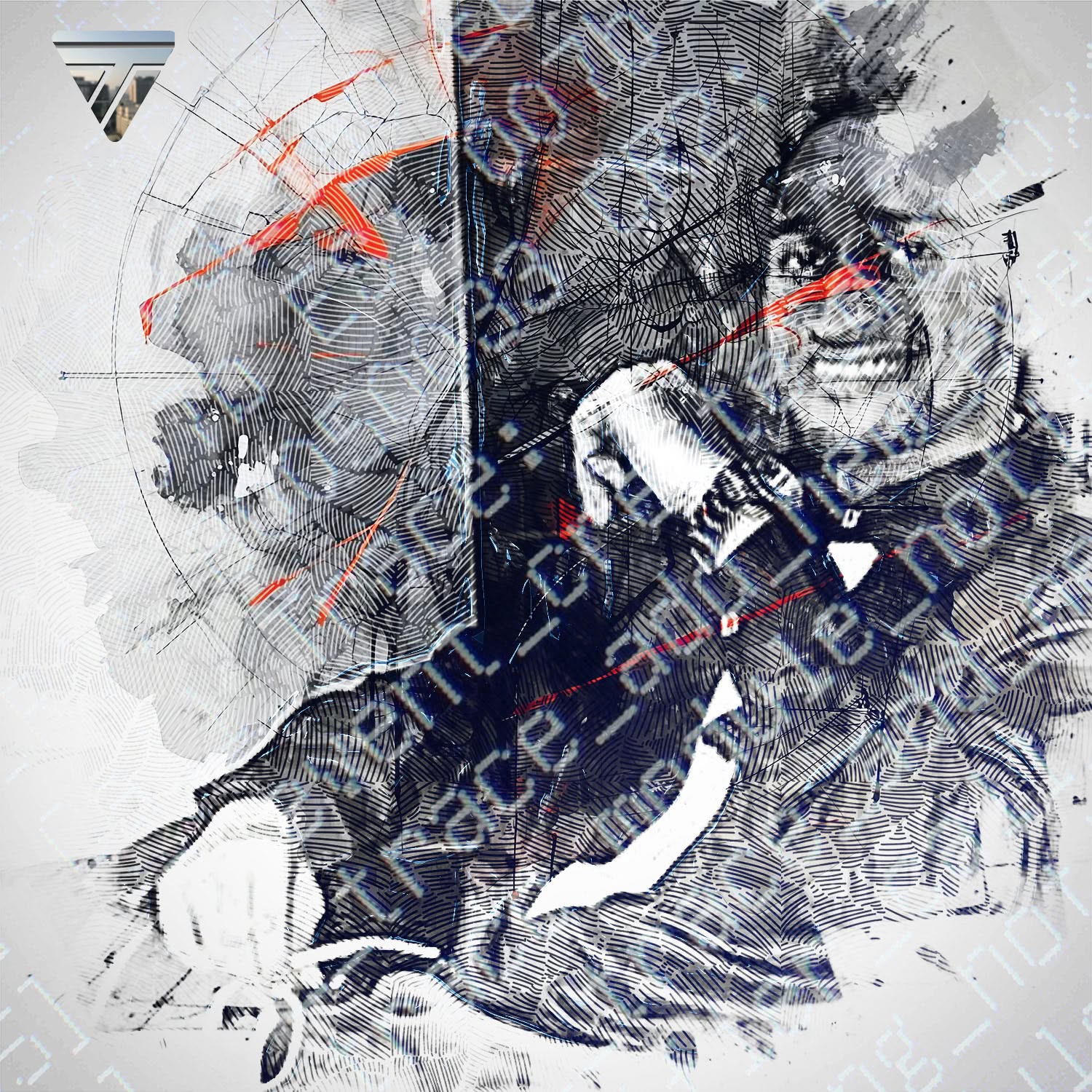
The tactical map of the Strait of Hormuz was not a reflection of the present; it was a simulation of the next four hours. David stared at the holographic projection, watching the ghostly outlines of enemy fast-attack craft moving into position. They hadn't left port yet.
The integration of advanced machine learning had transformed intelligence from a reactive science to a deterministic one. The algorithm, digesting decades of naval maneuvers, weather patterns, and intercepted logistics orders, was predicting the enemy's mobilization with terrifying accuracy.
David felt a cold detachment as he realized the implication. The US response—the deployment of autonomous underwater vehicles—was already moving to intercept ships that were currently tied to the docks. They were fighting a war in the future tense. The enemy's choices were already mapped, mathematically enclosed. It was no longer strategy; it was structural fate. David watched the real-time radar feed catch up to the AI's prediction. The red dots appeared exactly where the ghost outlines had been. The trap, built entirely of code, closed.
Digital Growth Architect and AI Researcher specializing in sovereign AI infrastructure, autonomous systems, and custom AI SEO. He authors technical intelligence reports for family offices, founders, and enterprise teams globally.